 As promised! I've been slow to return to the dance classes because the mode of Latinos is quite complicated and had to investigate. :-P I'll try to explain what is the difference between samba, salsa, merengue, cha-cha-cha and how noses were dancing a rumba-bolero.
 (Photos are in order.)
That Jazz!
Cha-cha-cha.
Cuban dance derived from the mambo. The name comes from the noise made by the Caribbean with her shoes in the basic step (three right and one left). It became very popular in the 50's.
Merengue.

is the typical dance classes in the Dominican Republic, fun and sensual. The movement of the hips and shoulders is crucial: when one side of the hip goes up, down the shoulder on the same side and vice versa.
 Mambo. Dance
 dedicated to "Mambo", god of war. Born in Cuba, arriving in Europe in the 60's. The basic step is to move in a square in a counter-clockwise.
Samba.

drift of African music and Portuguese and is characteristic of Rio de Janeiro. There are two styles: a sober and elegant and then there is carefree and uninhibited that we see in carnivals River, which is that I like most though not as elegant. It is more genuine, and I do not know what advice I can give to dance ... as music and moving your body. xD
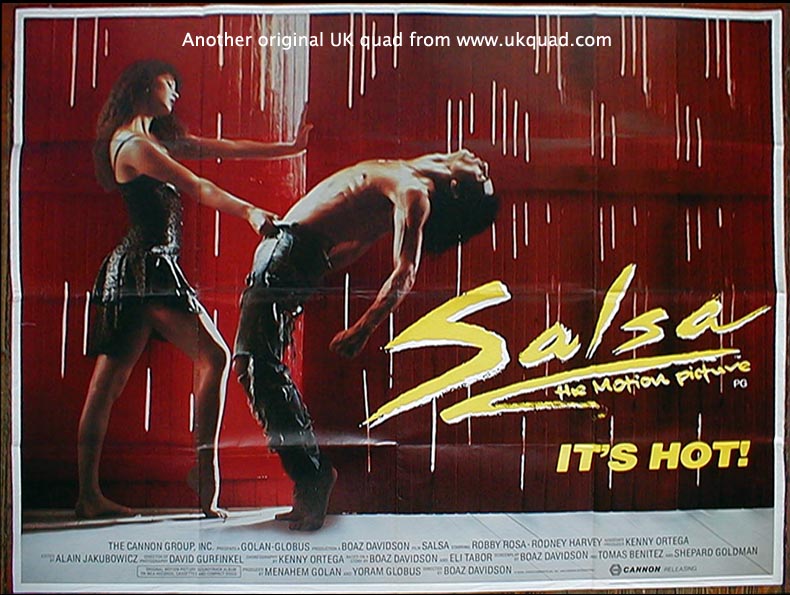 Salsa.
 It differs from the samba at ALL, beginning as it is a Cuban dance and, therefore, has nothing to do with Brazil. In the sauce is to stick a lot to the family and it should be much the column (but not look like a stick, this is a fun dance.) A basic step ... it would draw a trapezoid with our feet, back, back, forward, forward, one, two, three, four. In steps back, feet apart rather than two steps forward. In this dance, so versatile, it's best to get some videos in the media library to get an overview idea.
Rumba-bolero.

The rumba is a dance that African slaves brought to Cuba in the sixteenth century and the bolero, another introduced by the English on the island in mid-nineteenth century. Is very passionate and usually slow. This is a game of feet (in my opinion) quite complicated, so seek videos directly. xD The Son and Danzon arrangements are slower, and then there is the Son Montuno piano and trumpet having .... and surely you know this "Guagiro" of a movie. The Gipsy Kings rumba and flamenco fused with great success. ;-)
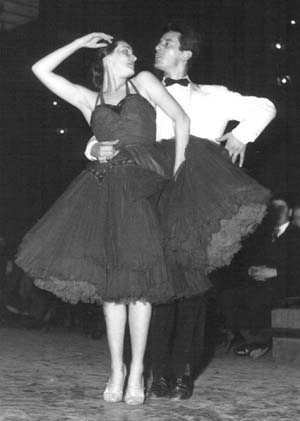
Pasodoble.
Typically English, although of possible French origin. It began as a military march, but it has always been involved with bullfighting, and today we see many steps and positions resemble those of a bullfighter. The basic step is very simple: starting with the right, the man walks forward eight steps, and your partner the same steps backwards, starting with the left.

hope ye fun in this exhibition. ^ _ ^ Another day I will write on standard mode dances.
PS: This last picture, which corresponds to the paso doble, is about Italian dancers, fourteen times world champions.


0 comments:
Post a Comment